Sketched Poppy Embroidery Design Review
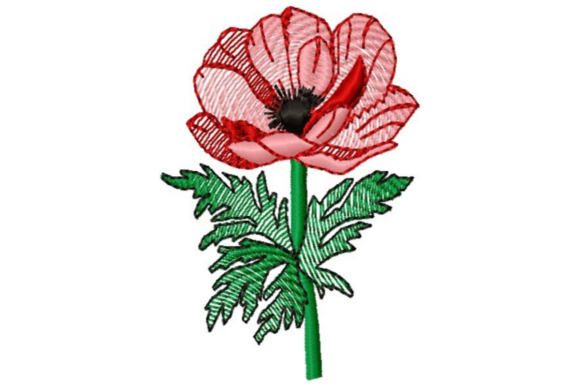
As someone who has spent countless weekends behind a craft fair booth, I know that the right embroidery design can make or break your sales. When I look at Sketched Poppy, I see a design with immediate commercial potential. Its name suggests a hand-drawn, artistic quality, and the description promises a fresh and elegant look. This isn't a loud, overly bold floral; it leans into a soft, decorative, and premium feel that appeals to customers looking for something beautiful yet understated.
First Impressions: Elegance and Versatility
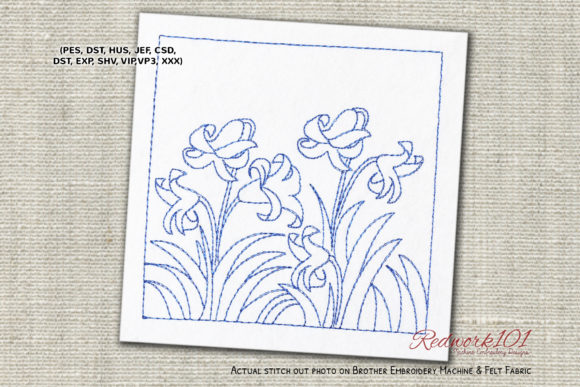
The Sketched Poppy design strikes me as inherently elegant. It’s likely a single, beautifully rendered flower, perfect for the Single Flowers category. This elegance translates directly to perceived value. On a crowded craft fair table, surrounded by more rustic or whimsical items, a design like this can stand out by offering a sophisticated accent. It feels modern yet timeless, a combination that sells well across different customer demographics, from younger boutique shoppers to those looking for a classic handmade gift.
Product Performance: Where Sketched Poppy Shines
Let’s walk through the real-world application on typical craft fair products. Your booth likely features tote bags, aprons, tea towels, and pillow covers. This is where we judge a design's merit.
Tote Bags & Market Bags
On a tote bag, Sketched Poppy would act as a focal point. Its elegance elevates a simple bag into a premium handmade product. I’d place it centrally on a natural canvas or linen bag for a high-end look. It’s not too dense to overwhelm the fabric, but it will need good stabilizer due to the bag's weight.
Aprons & Kitchen Towels
For apron embroidery or tea towel embroidery, this design is a perfect fit. The description specifically mentions tea towels, and that’s a smart match. The sketched style provides a beautiful accent without being too busy for a functional item. On a textured towel, ensure your stitch density is adequate to prevent the design from looking sparse.
Pillows & Home Decor
As a pillow cover design, Sketched Poppy offers a fresh, elegant look. It can be scaled appropriately—likely working well as a large central motif or a smaller repeated accent. This versatility is key for batch production.
Smaller Items: Patches, Caps & Pouches
This is a crucial test. For an embroidered patch or on a curved cap surface, we must consider detail clarity. If the design has tiny sketched lines or very dense stitch areas, it might lose definition at smaller sizes. Always test on scrap fabric first. On a dark fabric pouch, thread contrast is vital; a pale poppy might need brighter or contrasting threads to pop.
The Practical Seller’s Checklist
Turning a digital embroidery file into profitable finished products requires a practical eye. Here’s my review focused on production and sales.
Batch Production & Booth Appeal
Sketched Poppy feels highly repeatable. Its elegant, single-flower motif is consistent and doesn’t rely on complex color changes that slow down production. This is ideal for creating a cohesive line of small shop products for your booth. A table displaying multiple items—totes, towels, pillows—all featuring the same beautiful poppy creates strong brand consistency and a powerful visual display.
Photography & Online Sales
For your Etsy seller listings, this design should photograph beautifully. Its elegant, clean lines will look sharp in printable mockups and even better in photos of real products. The “sketched” aesthetic conveys handmade quality immediately, increasing perceived value. Always create at least one real mockup for photos; it reveals how light and fabric texture interact with the stitches.
Customer Engagement at the Fair
At the fair, customers notice quality and detail. Sketched Poppy invites closer inspection. People will touch the stitches, appreciate the artistry, and envision it in their home. This engagement is what converts browsers into buyers. It’s a design that tells a story of craftsmanship.
Critical Embroidery Designer Notes
Before you stitch this on 50 tea towels, run through this checklist. These points protect your product quality and your time.
- Test on Scrap Fabric: Always stitch the machine embroidery design on a scrap of the actual fabric you’ll use—be it textured towel linen, canvas for bags, or cap material.
- Check Thread Contrast: Review how the chosen thread colors look on both light and dark backgrounds. Elegant designs can fade on dark fabrics.
- Review Stitch Density & Spacing: Look for overly dense areas that might pucker thick fabric or tiny details that may vanish on smaller items like patches.
- Confirm Hoop Size: The description doesn’t specify a hoop size. You must check the embroidery file details to know the minimum required hoop. This affects which products you can realistically produce.
- Use the Right Stabilizer: Fabric texture dictates stabilizer choice. A kitchen towel and a canvas tote need different support.
- Compare Fabric Colors: Stitch samples on a range of your stocked fabric colors to see which combinations sell the look best.
- Confirm Commercial Licensing: Before selling any finished product, verify that your digital embroidery file license permits commercial embroidery use. This is a non-negotiable step for any serious maker.
Final Judgment: A Strong Market Contender
In my experience, Sketched Poppy is a design with strong market potential. It delivers the elegant, fresh look its description promises. It’s versatile across key craft fair products like towels, totes, and pillows, and its aesthetic boosts product value. The practical considerations are standard—attention to stitch density, testing, and licensing—but the design itself doesn’t present obvious red flags. For the creative entrepreneur looking to build a cohesive, premium-looking line for their next handmade market, this Single Flowers Embroidery design is a worthy investment. It has the clarity to be understood at a glance, the beauty to attract customer attention, and the repeatability to support your production goals.