A Designer's Review: Floral Design for Real Projects
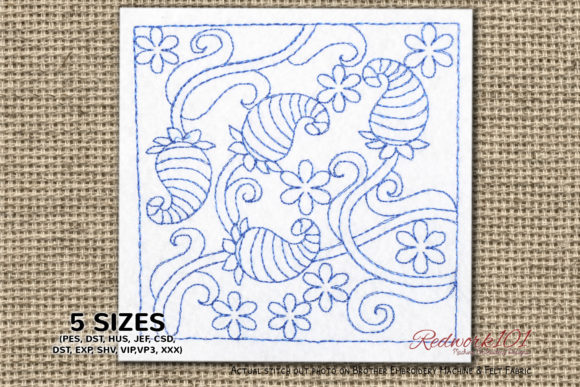
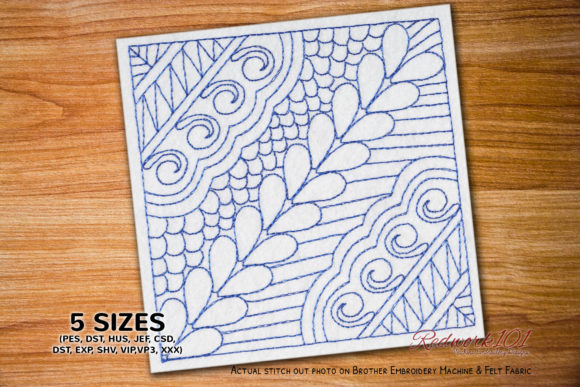
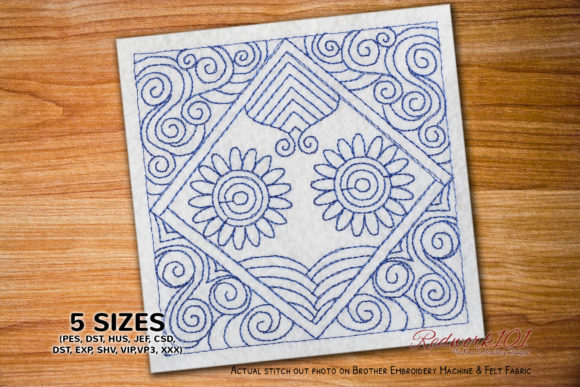
As an embroidery designer working daily with commercial projects and handmade products, my primary filter for any new machine embroidery design is its practical application. When I first saw the Floral Design on Creative Fabrica, my immediate impression was one of structured elegance. The concept of mixing angles with traditional floral shapes creates a modern, geometric aesthetic that feels both decorative and intentional.
Visual Mood and Project Compatibility
This design carries a crisp, contemporary mood, leaning away from soft, romantic florals. Its angular framework gives it a structured personality, making it suitable for projects where you want a clean, deliberate decorative element. It naturally fits into categories like modern home decor, boutique apparel, and gifts with a sophisticated touch. I envisioned it on a minimalist tote bag, a structured apron, or a high-quality pillow cover where the design's precise lines would complement the product's form.
For crafters and Etsy sellers, this visual style can elevate a simple product. On a plain sweatshirt or a baby blanket, the Floral Design becomes a focal point that suggests careful craftsmanship. Its decorative appeal is strong, but it's not overly fussy, which helps in product photography—the design presents well in mockups and on finished items without appearing cluttered.
Performance in Real Embroidery Work
The real test of any embroidery file is how it translates from screen to stitch. Considering the description mentioning angles and floral shapes, I would approach this design with a focus on stitch density and detail level. Designs with mixed elements often have areas of varying density; the floral shapes might use fill stitches or satin stitches, while the angular framework could incorporate running stitches.
For custom apparel like sweatshirts or caps, the key consideration would be the curved surfaces and fabric stretch. A design with sharp angles requires good stabilizer and possibly testing on scrap fabric first to ensure the lines remain crisp, especially on a curved cap surface. For items like kitchen towels or aprons that undergo frequent washing, reviewing the stitch density is crucial—too dense areas on textured fabric can become stiff and uncomfortable.
Application on Specific Products
For a tote bag or patch, this design likely offers excellent stability. The angular base could provide a solid anchor for the floral elements, making the finished embroidered patch robust. On dark fabrics, the contrast would be vital; one would need to check thread color choices carefully, perhaps opting for a bright pop against the darker background to emphasize the design's mixed shapes.
In nursery decor or baby items, the design's structured nature might be a unique choice for a modern, gender-neutral aesthetic. However, the small details and any potential tiny lettering would need inspection after stitching to ensure safety and durability for little ones.
Affecting Product Value and Customer Trust
Using a well-composed design like Floral Design directly impacts the perceived value of a handmade product. For creative entrepreneurs and small business owners, the quality of the embroidery file you choose translates into buyer trust. A design that stitches out cleanly, with good definition between its elements, enhances the handmade presentation. It shows that you've invested in quality digital embroidery files, which in turn builds brand consistency across your product line, whether for craft fair products or Etsy listings.
This design also has strong giftability. Its modern floral approach feels intentional and thoughtful, suitable for a personalized gift that avoids cliché. For apparel decorators and boutique merchandise, this can be a key selling point—offering something visually appealing yet distinctly different from typical floral motifs.
Practical Embroidery Notes for Safe Use
Before running any new design, especially for commercial embroidery or selling finished items, a methodical approach is non-negotiable. First, I always advise checking the complete file details and licensing on the Creative Fabrica product page. This is the single most important step to ensure your use is compliant.
Then, the practical testing begins. Hoop size is a primary concern; without a specified size in the description, you must verify this in the actual embroidery file before starting. Test on scrap fabric identical to your project material—this reveals how the design handles textured or stretchy fabric. Compare light and dark fabric mockups digitally if possible, but a physical stitch-out on both is best to judge thread contrast.
Pay close attention to the description note about the optional box stitch. This indicates an element of customization. In real project use, you can decide whether that outer box, reportedly a different color in most versions, adds to your specific application or if you prefer the core floral and angular mix alone. This flexibility is a useful feature for designers.
Final Thoughts for Fellow Designers
From a professional standpoint, Floral Design appears to be a design asset worth considering for projects that demand a modern, structured floral aesthetic. Its mix of angles and shapes suggests it could stitch out with clear definition, which is paramount for customer engagement and product satisfaction. However, its true worth is determined by its real-world performance.
For embroidery designers, Creative Fabrica users, and anyone producing handmade products, the final verdict on any design comes from pairing the digital file with your craftsmanship. Always test, always check the product details, and always consider how the design's personality—in this case, a geometric floral—aligns with the product's purpose and your brand's voice. Only then can you confidently say it's a worthy addition to your summer lineup or any season's collection.