A Real-World Review of the Floral Pattern a Redwork Design
First Impressions: A Classic, Confident Bloom
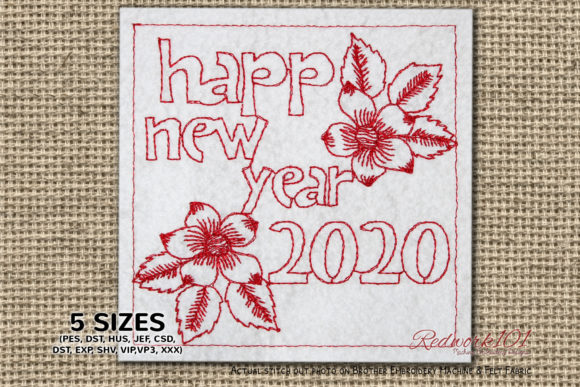
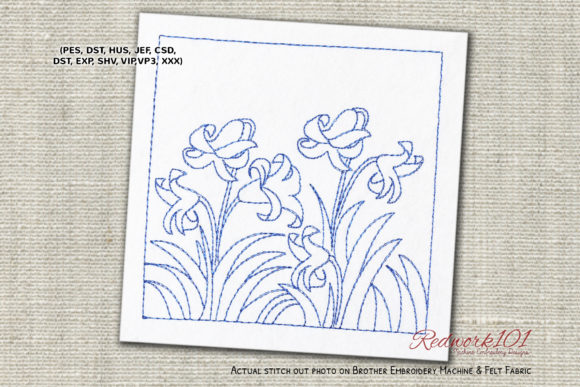
When you open the Floral Pattern a Redwork file, you're greeted with a straightforward, single-flower motif that feels classic and confident. It has a clear, uncluttered layout. The mood it sets is one of gentle elegance, not overpowering whimsy. This isn't a fussy, over-detailed botanical study; it's a recognizable, friendly flower that would feel welcoming on a handmade product. The visual personality leans toward timeless rather than trendy, which, in my experience, is often a better bet for a craft business. It appeals to a wider range of customers looking for a touch of handmade beauty without overly specific stylistic baggage.
The Natural Home for This Embroidery Design
I immediately pictured this design on a crisp, natural-colored linen apron or a simple canvas tote bag. Its clarity makes it perfect for items where the embroidery is the star—a kitchen towel for a holiday gift, the corner of a pillow cover in a boutique product line, or centered on a baby’s cotton knit blanket for nursery decor. For apparel decorators, it’s a strong candidate for a left-chest placement on a sweatshirt or a subtle accent on a cap’s curved surface, provided the stitch density is appropriate. The single flower theme means it integrates easily into personalized products, like adding a name beneath it on a wedding gift handkerchief. For Etsy sellers and digital product sellers, this is a versatile asset for creating printable mockups because its form is so clean and instantly understandable.
Where Its Simplicity Becomes a Strength
In real-life embroidery situations, this design’s apparent simplicity translates to stitching clarity and reliability. On custom apparel like t-shirts, a design with less dense fill areas often handles the stretch of the fabric better, reducing puckering. For a tote bag design, which might see rougher use, a cleaner outline and defined elements mean the finished product maintains its professional look through wear. When I think about preparing a custom embroidered tote for a small shop merchandise line, I want a design that stitches out cleanly on various fabric textures and communicates quality to the buyer. Floral Pattern a Redwork, with its focused theme, does that. It builds customer trust because the finished product looks intentional and well-executed, not messy or overworked.
Practical Considerations for Stitching Success
Any experienced designer knows that the charm of a digital embroidery file on screen must translate to the needle. Here are my practical notes for using this design in real projects.
Always test on scrap fabric first. Use the same material you intend for the final product—be it a sweatshirt’s fleece back or a tea towel’s linen. This reveals how the stitch density interacts with the fabric texture and whether the stabilizer choice is correct.
Check thread color contrast. The description notes the box stitch is optional and the outer box color varies. This is crucial. Preview the design in your software, stripping away any optional outline elements. See the core flower on both light and dark fabric backgrounds in a black and white mockup to judge its visual weight. You might decide to skip the optional box entirely for a more minimalist look on a baby embroidery item or a delicate blouse.
Inspect the small details. Even a simple single flower design can have tiny corners or junctions. Hoop size matters here. A too-small hoop might compress the design and distort its proportions. Confirm the recommended hoop size from the provider before committing to a project, especially for commercial embroidery where consistency across multiple items is key.
Scenarios Where Extra Care is Needed
I would use this design carefully on very small hoop sizes if the design itself is relatively large—the scale might lose its impact. On textured fabrics like thick towels, the fill stitches might not appear as smooth. On thin or stretchy fabric, as with some baby clothes, ensure your stabilizer strategy is robust to keep the shape crisp after frequent washing. For layered garments like caps, the curved surface demands attention to placement so the flower sits flat and centered. The good news is that, without overly dense stitch areas, these challenges are more manageable.
How This Design Affects Your Product's Appeal
From a craft business perspective, Floral Pattern a Redwork offers strong giftability. It’s recognizably floral and handmade, making it an easy choice for personalized gifts. Its professionalism—a clean stitch-out with clear shapes—enhances brand consistency if you use a similar style across your small shop product line. For buyer engagement on an Etsy listing, a well-embroidered sample photo of this design on a real pillow cover or apron speaks louder than a digital preview. It shows the tangible value you’re offering. It feels authentic.
For commercial embroidery projects or selling finished items, always confirm the licensing terms provided with the embroidery file. Can it be used for commercial products? This step is non-negotiable for protecting your business and respecting the digital product creator.
The Final Judgment: A Versatile, Trustworthy Asset
After evaluating it for real project use, I see Floral Pattern a Redwork as a versatile, trustworthy asset in an embroidery designer’s library. It fits a broad range of applications from heartfelt holiday embroidery to crisp boutique branding. Its success hinges on your practical application: choosing the right fabric, testing thoroughly, and making informed decisions about optional elements like the box stitch. When stitched with care, it results in a finished product that feels both handmade and professionally polished, exactly what creative entrepreneurs and makers need to satisfy customers and grow their craft business. It’s a design that doesn’t shout; it quietly and confidently sells.