A Professional Review of the Floral Vines Orange Embroidery Design
As someone who runs a small embroidery business, I constantly evaluate new digital embroidery files for their real-world application. The promise of a "high-quality embroidery" design, like the Floral Vines Orange from Creative Fabrica, always draws my attention, but the true test comes when considering it for actual customer orders. This review is based on that practical perspective, looking at how this single flowers embroidery might perform on items like tote bags, sweatshirts, and baby blankets.
First Impression: Visual Mood and Project Fit
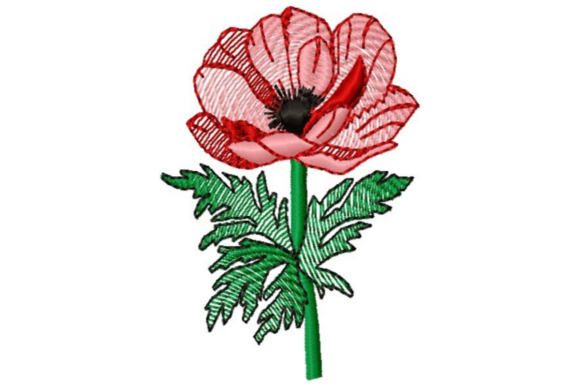
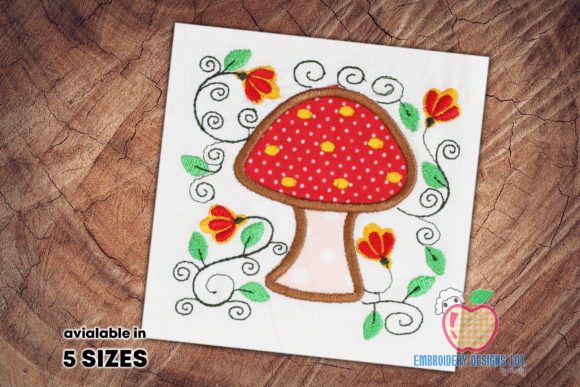
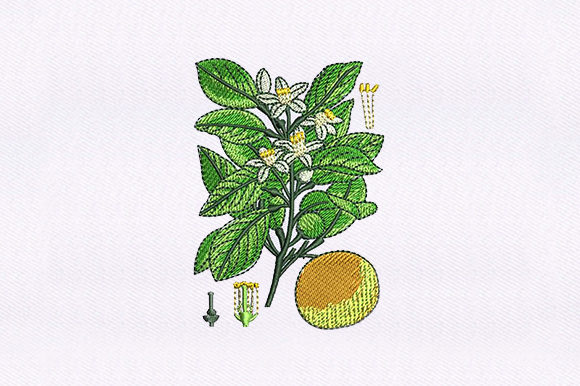
The name Floral Vines Orange immediately sets a warm, vibrant tone. This isn't a delicate, pastel floral; it suggests a design with decorative appeal and a touch of rustic charm. From a designer's point of view, it feels like it would naturally fit projects aiming for a handmade, yet polished, presentation. It seems ideal for enhancing the value of everyday items—think of a simple kitchen towel or an apron transformed into a lovely personalized gift. The "detailed embroidery" description hints at a design with personality, likely using satin stitches and fill stitches to create dimension, which is perfect for craft fair products or boutique merchandise where visual texture matters.
Performance in Real Embroidery Work
When planning to use a design like this for commercial embroidery or Etsy listings, several practical factors come to mind. For custom apparel like sweatshirts or on stretchy fabric, the stitch density and scale are critical. A dense, overly large design can distort fabric. I would assess this for smaller hoop sizes to ensure it remains manageable on curved surfaces like caps. For dark fabric, the orange color palette would require careful thread color contrast selection; a bright orange might pop beautifully, but a deeper shade could lose impact. Testing on scrap fabric first is an absolute must.
For baby items, nursery decor, or products needing frequent washing, such as baby blankets, the integrity of small details is paramount. I would inspect any layered details or tiny elements in the vines after stitching to ensure they withstand wear. Using the proper stabilizer for the target fabric—whether textured fabric for a pillow cover or a smooth cotton for a tote bag design—would be the key to a clean finish. The design's mood suggests it would photograph well for product photography, adding to customer engagement and trust in a handmade shop's offerings.
Affecting Product Value and Brand Consistency
A well-executed embroidery file can significantly elevate a finished product. Floral Vines Orange, if it stitches cleanly, could enhance the giftability of items and support brand consistency for a creative entrepreneur specializing in floral themes. For an embroidered patch or applique design, its detailed nature could make it a standout feature on a simple tote bag design, increasing perceived value. However, its success hinges entirely on the technical execution promised by the file itself. I would never use it for a real customer order without first confirming the file details on the Creative Fabrica product page—checking for any listed hoop size compatibility and the included file formats for my machine.
Practical Embroidery Notes and Final Considerations
Before committing this design to a paid project, my process would involve several steps. First, a test run on both light and dark fabric mockups to evaluate contrast and coverage. Second, a thorough review of the stitch density in any previews available; overly dense areas can cause puckering, especially on lightweight fabrics. Third, I would always confirm the licensing terms on the Creative Fabrica embroidery product page before selling finished items to ensure my commercial use is covered. This is a fundamental step for any digital embroidery file from marketplaces like Creative Fabrica.
In summary, the Floral Vines Orange design presents a visually appealing option for a range of handmade products. Its warm, detailed character suits decorative projects aimed at a craft-loving audience. Its potential to improve handmade presentation and visual appeal is clear. Yet, its worth for your next sewing project depends on those unseen, practical attributes: how it handles in small hoop sizes, how its details translate to textured fabric, and the clarity of its commercial license. My advice is to approach it as a promising design asset, but to validate its performance through your own tests before stitching it onto a customer's cherished item.