A Professional’s Review: The Floral Quilting Design
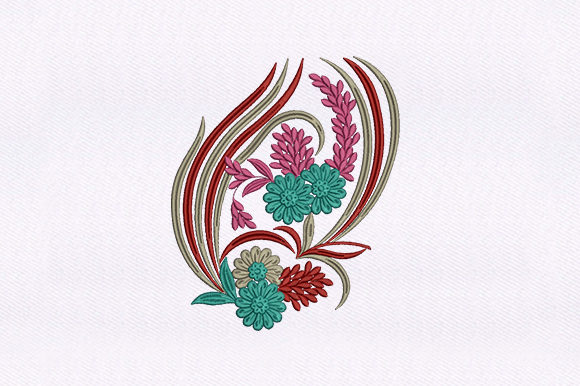
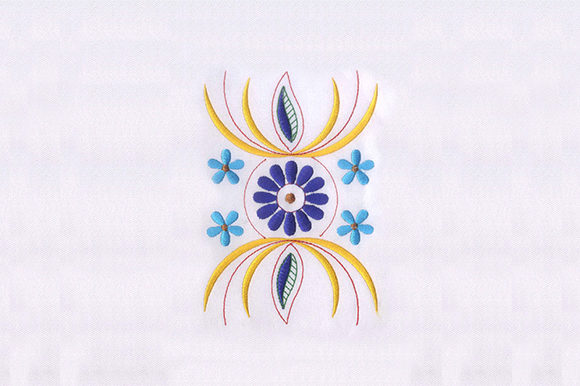
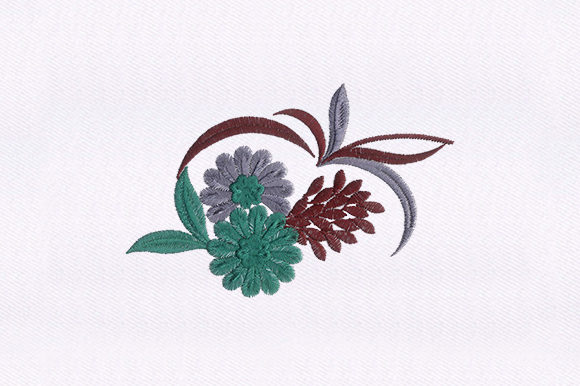
As an embroidery designer working with small businesses every day, my first question about any machine embroidery design is simple: can it build a brand? When I examine the Floral Quilting Design, its initial impression strikes a delicate balance. It feels both classic and handmade, with a decorative sensibility that leans toward rustic elegance. This isn’t a stark, modern logo; it’s a warm, illustrative pattern. For a boutique, café, florist, or creative studio, this visual personality is a powerful starting point. It communicates friendliness and artistry immediately, which is invaluable for building customer trust and engagement.
Building Brand Identity with Embroidery
The true test of a design like Floral Quilting Design is how it translates into tangible brand assets. Its decorative nature, hinted by its Bedroom category origin, doesn’t limit its commercial potential. In fact, this aesthetic is perfect for businesses wanting to feel approachable and premium.
Imagine a local bakery using this design as an embroidered patch on their aprons and tote bags. Or a pet brand stitching it onto the chest of staff polo shirts. For an Etsy seller of handmade goods, this design could become the consistent accent on all product packaging and labels, elevating the perceived value. As a sleeve detail on a boutique’s uniform, it adds a touch of sophistication without being overpowering. The design acts as a branded product add-on that reinforces visual consistency across custom apparel, merchandise, and customer gifts.
Real-World Application for Small Business Merch
Let’s get practical. How does Floral Quilting Design perform in the most common commercial embroidery projects?
Embroidered Patches and Product Labels
For a standalone embroidered patch, this design’s illustrative quality is a major advantage. Patches for event merch or as sewn-on labels for handmade products benefit from a detailed, artistic look. However, a key step is to test it at a small patch size first. The intricate floral and quilting motifs must retain clarity when minimized. I always advise creating a test patch at the intended final size to inspect spacing and detail integrity.
Uniforms, Caps, and Tote Bags
On staff uniforms and apron embroidery, the design offers a softer branding alternative to a bold corporate logo. For cap embroidery, placement on the front panel is ideal, but be mindful of the curved surface. A design with potential detail needs proper stabilizer and possibly a reduction in density to sit smoothly. As a tote bag design, it becomes a beautiful mark that customers carry, directly associating your brand with quality craftsmanship.
Where to Use This Design Carefully
Success with any digital embroidery file requires knowing its limits. Based on its descriptive style, here are scenarios where Floral Quilting Design needs extra attention.
- Small Scale Applications: On very small patches or cap fronts, the intricate elements might blend. A pre-production test on real fabric is non-negotiable.
- High-Density Fabrics or Textures: If applied to thick twill for caps or textured linen bags, stitch density and hoop size must be confirmed to prevent puckering.
- Dark Backgrounds: Embroidered on dark uniforms, thread color contrast is critical. The design’s elegance can be lost if colors don’t pop. Always test it in black and white first to understand its form without color reliance.
- Items for Frequent Washing: For work shirts or aprons that will be laundered often, ensure the design’s structure is robust enough to maintain its appearance over time.
The Designer’s Practical Checklist Before Production
Before you commit this design to a production run for your small business merch, follow this quick list. It saves time, money, and ensures a professional finished product.
- Verify the Technical Specs: The provided embroidery file formats (10O, ART, CND, DSB, DST, DSZ, EXP, HUS, JEF, PCS, PEC, PES, TAP, VIP, VP3, XXX) cover most machines, but confirm compatibility with your specific system. Check the actual file for recommended hoop size and any inherent stitch count details.
- Create a Printable Mockup: Before stitching, place the design in a printable mockup of your merchandise—a cap, shirt, or bag. Compare it beside your other design assets to ensure visual harmony.
- Test on Final Fabric: Hoop a sample of the actual fabric you’ll use (denim, cotton, polyester) with the proper stabilizer. This reveals how fabric texture interacts with the design.
- Confirm Commercial Licensing: As a business, you must ensure the machine embroidery design is licensed for commercial use. Never assume.
- Client Approval Loop: If you’re an embroidery shop creating for a client, get their approval on a physical test sample. It solidifies trust and avoids revisions later.
Final Thoughts on Value and Professionalism
The Floral Quilting Design, when deployed strategically, does more than decorate. It enhances brand identity by adding a layer of crafted authenticity. For customers, a beautifully embroidered logo on a tote bag or apron signals a business that cares about details—this builds recognition and professionalism. It turns simple merchandise into cherished items, increasing product value and buyer engagement.
Remember, the category Embroidery is your toolset, and the Bedroom inspiration is your aesthetic guide. Your business application—whether for a pet brand’s collar accessory tag or a florist’s delivery driver cap—transforms this design from a decorative element into a core brand asset. Approach it with a designer’s eye: test thoroughly, understand its boundaries, and leverage its handmade presentation to tell your unique business story.