A Designer’s Review of Coordinated Flowers
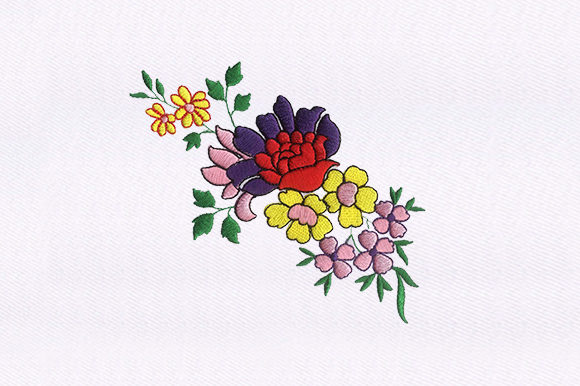
As I sit down to prepare for a weekend craft fair, my first task is to evaluate new designs with a critical eye. Which ones will translate into products that draw customers in? Which will look beautiful on the table and feel special in a buyer’s hands? Today, I'm looking closely at Coordinated Flowers, a floral embroidery design meant for jackets, jeans, and sneakers. This isn’t just about aesthetics; it’s a practical review focused on sales, production, and real-world application for our handmade market.
The First Impression: Fresh, Versatile, and Decorative
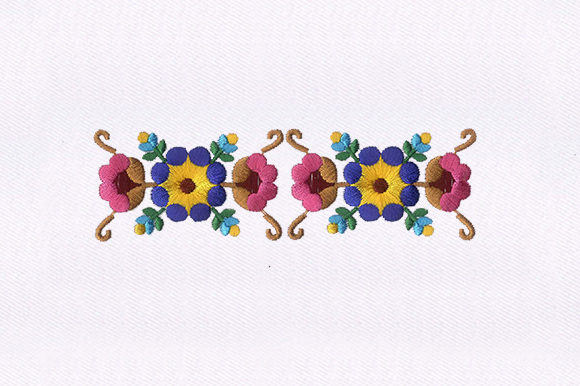
From the name alone, Coordinated Flowers promises a sense of harmony. This isn’t a wild, sprawling bouquet; it suggests a balanced, intentional arrangement. That feeling is crucial for our target audience—craft fair shoppers often look for designs that are adorable and add a spark of freshness without being overwhelming. The description highlights color and versatility, which immediately tells me this design leans towards a cute, decorative, and modern-rustic style. It doesn’t scream "farmhouse" or "ultra-minimal," but sits comfortably in a popular middle ground: cheerful, clean, and applicable to almost any fabric. For a booth display, that versatility is a significant selling point.
Where Coordinated Flowers Shines on Products
My table will feature a range of items: tote bags, aprons, tea towels, caps, patches, fabric pouches, pillow covers, and giftable small items. Here’s where I believe Coordinated Flowers will stand out.
On tote bags and market bags, a floral design like this acts as a beautiful focal point. It adds perceived value, transforming a simple bag into a handmade, artistic accessory. For aprons and kitchen towels, the fresh, coordinated feel aligns perfectly with the wholesome, creative kitchen vibe many shoppers love. A single, well-placed cluster on a tea towel can turn a utilitarian item into a charming gift.
As an embroidered patch, Coordinated Flowers has immense potential. Patches are hugely popular, and this design, with its implied coordination, could appeal to customers looking to customize jackets, jeans, or backpacks with a cohesive, non-chaotic floral accent. On caps, however, I’d proceed with caution; curved surfaces and dense stitch areas can be tricky. It might work best as a smaller side accent rather than a large front design.
For smaller gift items like fabric pouches or pillow covers (especially small decorative ones), this design offers a perfect scale. It’s likely decorative enough to be the sole feature, elevating the item’s handmade quality. In a booth, a pillow cover with Coordinated Flowers would catch the eye as a cohesive, finished home decor product.
Practical Production & Selling Points
Moving from digital file to physical product requires a practical mindset. Here’s my evaluation for production.
Understanding and Photographing the Design
At a glance, a "coordinated" floral design should be easy for customers to understand. It’s not abstract; it’s a recognizable, pleasant motif. This clarity is vital for quick customer engagement at a busy fair. For online listings like Etsy, this also means it will photograph well. A clean floral design on a tote bag or tea towel shows up beautifully in pictures, communicating the product’s value instantly. Creating at least one real physical mockup is non-negotiable—it reveals how the colors interact with fabric and how the stitches look in person.
Batch Production and Repeatability
Is Coordinated Flowers repeatable? For batch-producing several tote bags or towels, a design with good balance and clear elements is ideal. It feels repeatable because the result is consistent and pleasing each time, which strengthens brand consistency across your booth. However, the description mentions it comes with "multiple emb," which I interpret as multiple embroidery files perhaps in different sizes or formats. This is excellent for batch production, allowing adaptation for different products without redesigning.
Critical Use Notes for a Quality Finish
Every design has its considerations. For Coordinated Flowers, I’d be mindful of:
- Stitch Density: Florals can have dense areas for petals or leaves. Testing on scrap fabric first is essential to check for puckering, especially on lighter fabrics like those used for pouches.
- Thread Contrast: On dark fabrics, the "spark of color" needs sufficient contrast to pop. Reviewing the thread color palette against your intended fabric colors is a key step.
- Fabric Texture: On textured items like tea towels or certain canvas bags, the design’s clarity might soften slightly. This can actually add a lovely handmade touch, but it’s worth noting.
- Scale: The design may lose delicate detail if scaled down too much for a very small patch. Confirm the available hoop sizes from the file details to ensure it works for your intended product size.
Using the right stabilizer for each fabric type—whether for a sturdy tote bag or a flexible cap—will make or break the final product’s professional look.
Boosting Booth Appeal and Buyer Engagement
Ultimately, a design’s success at a craft fair is about engagement. Coordinated Flowers, by its nature, contributes to a cohesive booth display. If you use it across multiple product types—a towel, a bag, a patch—it creates a subtle thematic link that makes your table look curated and professional. This visual consistency boosts booth display strength.
For customer attention, a well-executed floral embroidery on a product signals care and quality. It feels premium compared to a plain item. When a shopper touches an embroidered tote bag with this design, they feel the texture of the stitches and see the color freshness. That tangible handmade quality directly increases perceived product value and can be the deciding factor in a purchase.
For Etsy sellers and digital embroidery file sellers, this design also represents a versatile asset for customers. Its broad application ("almost any fabric") is a strong selling point in a product description.
Final Designer Recommendations
Before investing time and materials into a full production run for your craft fair products, here is my practical checklist:
- Test the Coordinated Flowers design on scraps of all your intended fabrics: canvas for bags, linen for towels, cotton for aprons.
- Check thread contrast, especially if using darker fabrics. The promised "spark of color" must be visible.
- Review the design’s spacing and layout in your embroidery software. Does it fit your preferred hoop sizes for each product?
- Inspect stitch density by running a test. Dense areas might require adjusted settings or stabilizers.
- Create at least one finished product mockup—a real tea towel or pouch—to evaluate its visual appeal in person and in photographs.
- Compare how the design looks on different product colors. A floral might sing on a neutral but get lost on a busy print.
- Most importantly, confirm the commercial licensing terms for this machine embroidery design before selling any finished products. The product category is Single Flowers and the type is Embroidery, but the specific license details are not provided here; you must check them with the designer or distributor.
Coordinated Flowers has the hallmarks of a versatile, sellable design for the handmade market. Its fresh, decorative, and coordinated feel makes it adaptable across a range of popular products, from practical kitchen items to fashionable accessories. With careful production testing and a focus on quality execution, it can become a standout element in your craft fair booth, attracting customers and adding that spark of handmade value they’re looking for.