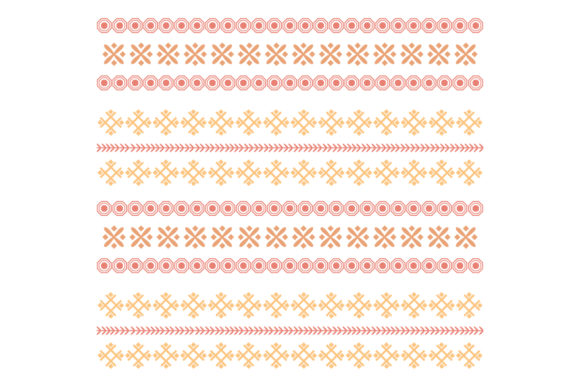
The Art Style of Beautiful Embroidery: A Designer’s Review
When a boutique brand brings me a design like The Art Style of Beautiful Embroidery for a premium sweatshirt collection, my first question is always about its soul. This isn't just a graphic; it's a translation of an artistic mood into thread and fabric. From the description, “The art style of beautiful floral embroidery for wall home decoration,” we get a clear sense of intention: this is decorative, artistic, and inherently beautiful. It’s designed not merely as a pattern but as a collection of graceful, ornamental elements. For a small clothing brand aiming to elevate a cozy sweatshirt, that foundation is promising.
First Impression: The Mood and Layout
Opening this embroidery file, the first impression is one of delicate, intentional beauty. The title suggests an “art style,” which implies a cohesive visual language—likely flowing, floral motifs with a sense of curated arrangement. As an embroidery designer, I immediately assess the layout: how the elements balance, their negative space, and their flow. This design feels feminine, decorative, and likely leans into a rustic or playful elegance, not a stark minimalism. For apparel, especially sweatshirts, that’s key. A design that’s too sparse might feel lost on thick fabric, while one too dense can become stiff. This style, described for wall decoration, likely has a considered composition that can anchor a garment.
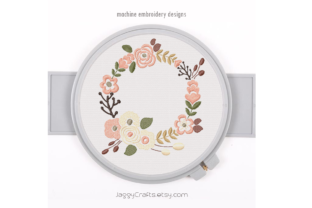
The “beautiful floral” descriptor tells me this is about organic shapes—leaves, blooms, perhaps vines. Their rendering in stitches will define the personality. Are the lines flowing with running stitches for a sketched feel, or are they filled with satin stitches for a lush, premium texture? That detail level will dictate whether the finished embroidered product feels casually chic or boldly ornate.
Adapting the Design for Sweatshirt Embroidery
For the real-world scenario—a limited sweatshirt drop for a small online shop—the application is everything. Let’s walk through how The Art Style of Beautiful Embroidery translates onto various garments.
Hoodie Chest Placement and Back Designs
On a neutral sweatshirt—heather grey, cream, oatmeal—this floral art style would sing. The thread color contrast becomes a design tool itself. Using softer, natural tones could enhance that rustic, handmade product vibe, while brighter threads on a dark fabric like navy or black would make it pop into something more bold and decorative. For chest placement, the layout must be readable at that scale. A decorative collection needs to be sized so key motifs are clear, not muddled. On an oversized hoodie, a larger, central placement feels premium and intentional.
As a boutique brand, you might also consider this as a stunning back design. The “collection” aspect suggests it could be adapted into a larger, statement piece across the back of a cozy seasonal apparel item, turning a simple hoodie into a standout piece of boutique merchandise.
Sleeve Accents and Pastel Colors
For a more playful, cute application, elements from the collection could be isolated for smaller sleeve accents. This requires the design file to have separable components. On a pastel sweatshirt—soft pink, mint, lavender—the floral embroidery would lean heavily into the feminine and cute aesthetic, perfect for engaging a specific customer audience. The fabric texture here is crucial; a smooth, French terry versus a fluffy fleece changes how stitches sit.
Practical Designer Concerns for Commercial Use
Moving from the artistic vision to the hoop, several technical points must be evaluated before production to ensure this design feels strong enough for commercial apparel use.
Thread Color Contrast and Stitch Density
The beauty of the design relies on visibility. On dark fabric, you’ll need light, possibly metallic threads to achieve the artful look. On light fabric, darker or richly colored threads will define the motifs. The stitch density is a silent premium factor. Too low, and the design might look sparse on a thick sweatshirt; too high, and it can become rigid, affecting the fabric’s drape and comfort. A design intended for wall decoration often has generous detail, which needs to be optimized for fabric thickness.
Stabilizer Choice and Hoop Placement
Sweatshirt material, especially heavyweight cotton or fleece, requires a firm stabilizer to prevent puckering and to support those beautiful floral details. The hoop size needed will depend on the design’s dimensions—a reminder to always check the included file specifications for exact measurements before planning your production run. Proper hoop placement ensures the design sits flat and centered, a non-issue for wall decor but critical for wearable custom apparel.
Small-Size Readability and Washing Durability
If you plan to offer this design on smaller items or as a smaller logo-like element, test its readability. Fine floral lines might lose definition when miniaturized. Furthermore, boutique brands and Etsy sellers must consider washing durability. A design with many small, delicate stitches needs to be digitized with secure underlays and appropriate stitch types to survive washes and maintain that premium feel for the customer.
Elevating Brand Identity and Product Value
Beyond the stitch, this design impacts your brand’s story. The Art Style of Beautiful Embroidery isn’t a generic graphic; it’s a specific artistic choice. Using it consistently across a sweatshirt collection builds visual recognition. It tells customers your brand values beauty and craftsmanship.
In your Etsy listings or small shop product pages, high-quality lifestyle product photography showing the embroidery on fabric—the texture of the stitches, the way it lays on a hoodie—builds immense buyer trust. It showcases the handmade presentation and justifies a higher price point. Offering printable mockups or design assets to preview the look can significantly boost customer engagement.
A Final Note on Digital Embroidery Files
Remember, this review is based on the artistic description. As a professional working with digital embroidery files, I always advise: before committing to a production run, verify the technical details. Confirm the stitch count, exact file formats for your machine, and any licensing terms for commercial embroidery use. These elements ensure that the beautiful art style you envision becomes a flawless, durable, and valued addition to your apparel line.
In conclusion, The Art Style of Beautiful Embroidery holds substantial potential for boutique brands seeking to infuse their sweatshirts, hoodies, and seasonal apparel with a decorative, artful heart. It leans feminine, can be adapted from rustic to bold, and when executed with attention to thread, fabric, and technique, it transforms a simple garment into a wearable piece of art, elevating your entire brand identity in the process.