Pine Lettering: A Subtle Botanical Statement for Apparel
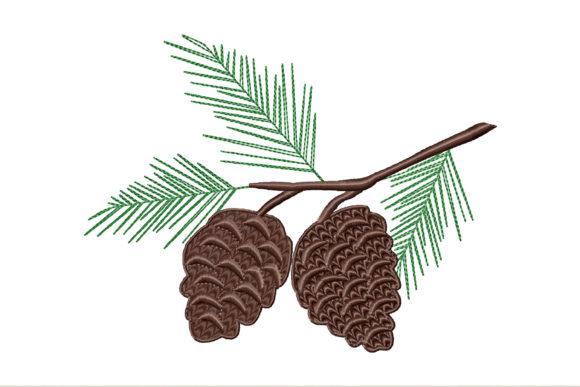
When browsing embroidery collections for a new sweatshirt line, the immediate charm of Pine Lettering caught my eye. As a designer who leans towards botanical motifs with a timeless feel, this embroidery design presents a distinct, understated personality. It balances a natural, rustic quality with a delicate decorative strength, avoiding the overly cute or bold extremes. This makes Pine Lettering a compelling choice for boutique apparel where a premium, classic sensibility is key, without feeling overly feminine or strictly vintage.
The Visual Mood: Where Pine Lettering Works Best
The design's mood is inherently serene and organic. It feels less like a loud statement and more like a subtle signature, something you'd find on well-made, thoughtful garments. This visual personality translates beautifully across several fabric types and garment styles, especially for creating cohesive collections.
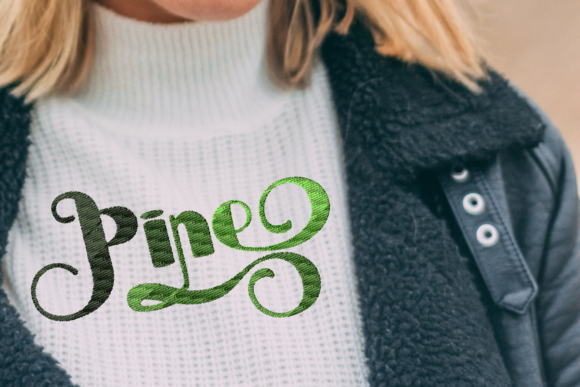
On neutral sweatshirts—think cream, oatmeal, or soft grey—Pine Lettering embroidery acquires a gentle, elevated look. It doesn't fight with the fabric but complements its cozy nature. For pastel hoodies, like blush pink or mint, the design introduces a rustic anchor, preventing the outfit from feeling too sweet. Perhaps most striking is its effect on dark apparel. Stitched with a contrasting thread on a charcoal or navy sweatshirt, the Pine Lettering becomes a crisp, sophisticated detail that truly pops, ideal for creating that coveted "high-low" mix.
The scale of the design also lends itself well to oversized garments, where a larger chest or back placement can feel balanced, not overwhelming. On classic t-shirts and denim jackets, it serves as that perfect accent that suggests a brand's attention to detail. For tote bags and other lifestyle products, it communicates a handmade, artisanal quality that customers actively seek.
Practical Placement for Maximum Impact
For sweatshirt embroidery, a central chest placement is a natural fit for Pine Lettering. It becomes the focal point without dominating the entire garment. On hoodies, this same placement works beautifully for lifestyle product photos and social media graphics, creating a recognizable brand element. As a sleeve accent or a smaller back design, it can add a layer of detail to a simpler garment, increasing its perceived value.
When considering commercial embroidery products for an Etsy shop or small brand, this design offers visual consistency. Using Pine Lettering across a capsule collection—say, on sweatshirts, totes, and maybe even pajama sets—builds strong product recognition and buyer trust. Customers begin to associate that specific botanical lettering with your brand's identity, which is a powerful tool for engagement.
Where Caution is Needed for Embroidery Success
While Pine Lettering is versatile, its application requires thoughtful execution, especially given its likely intricate nature. On small chest placements, particularly on children's sizes or very fitted garments, the density of the design must be considered. Dense stitch areas can become stiff on stretchy fabrics like lightweight fleece or ribbed cuffs, potentially affecting comfort and drape.
Embroidering on dark garments demands careful thread color contrast planning. A single hue might not capture all the design's nuance, so testing a few combinations is wise. On curved surfaces like the shoulders of a sweatshirt or a rounded tote bag, stabilizing the fabric adequately is paramount to prevent distortion. Also, if the "lettering" component involves tiny script, one must be extra vigilant; small, dense lettering can be challenging to stitch cleanly on textured fabrics and may not read well from a distance, impacting professional presentation.
A Designer's Checklist Before Hooping
My standard process before committing any embroidery file to a production run involves a few key steps, and Pine Lettering would be no exception.
- Test on Scrap Fabric: First, stitch it out on a scrap of the exact fabric you plan to use—whether it's a cotton sweatshirt fleece, a jersey tee, or canvas for a bag. This reveals how the stitch density interacts with your material.
- Check Stabilizer Choice: The right stabilizer can make or fail a design. For stretchy knits, a cut-away is often necessary for longevity. For non-stretch fabrics, a tear-away might suffice. This test run clarifies that.
- Review Thread Color Contrast: Play with thread palettes on your test piece. Does a monochrome scheme work? Or does it need light and dark tones to define the pine elements?
- Confirm Hoop Size: Refer to the Creative Fabrica product details for the design's dimensions and required hoop size. Ensure your machine and your garment's intended placement can accommodate it.
- Inspect Stitch Density: Look closely at your test piece. Are there any areas so dense they might cause puckering, especially on lightweight fabric?
- Compare Placement Options: Physically position your hooped test piece on different locations on a sample garment. Does it look better centered, left-aligned, or on the sleeve?
- Check Product Details & Licensing: Finally, always review the specific Creative Fabrica embroidery product page for Pine Lettering. Confirm the included file formats for your machine, and thoroughly understand the licensing terms for selling the finished apparel. Never assume; always verify.
Enhancing Your Brand's Story with Every Stitch
Integrating a design like Pine Lettering into your custom apparel line goes beyond mere decoration. It affects the entire narrative of your brand. A well-embroidered, cohesive design on quality garments signals professionalism and care. It turns a simple sweatshirt into a boutique product, building customer confidence and encouraging them to view your shop as a source for special items, not just generic goods.
For Etsy sellers and handmade business owners, this elevation is crucial. In your printable mockups and listing photos, a clean, beautiful embroidery detail like this can be the defining feature that makes a customer click "add to cart." It provides a visual hook that is both trendy and timeless, appealing to a wide audience seeking something unique yet familiar.
Ultimately, Pine Lettering isn't just another floral embroidery file. It's a tool for creating a specific aesthetic—one that feels grounded, elegant, and quietly expressive. By handling its application with the practical care outlined above, you can transform it from a digital embroidery design into the heart of a successful, recognizable apparel collection that resonates with your audience and stands out in a crowded market.