Floral FSL Applique Mug Rug: A Designer's Review for Apparel
As someone who designs embroidered apparel for boutique collections, I’m always evaluating new files for their potential on garments. When I came across the Floral FSL Applique Mug Rug on Creative Fabrica, my first thought wasn’t about coasters—it was about how this design could translate onto sweatshirts, hoodies, and other wearable pieces. The combination of an FSL (Free-Standing Lace) edge with an appliqué centre creates a unique textural element that, with a bit of creative thinking, can elevate simple apparel into standout boutique merchandise.
The Visual Personality: From Mug Rug to Garment Accent
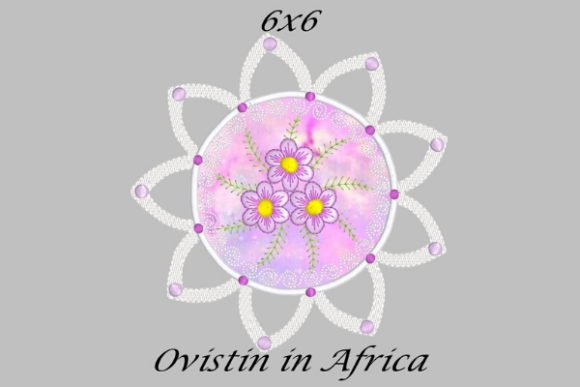
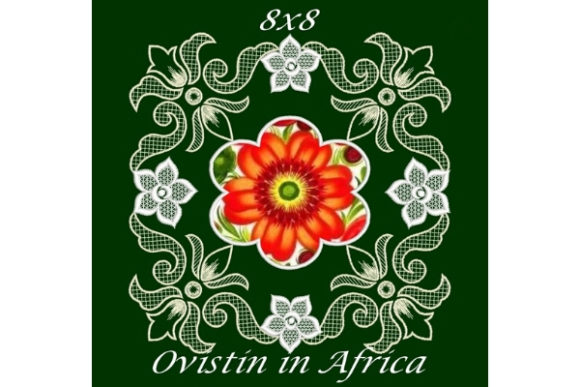
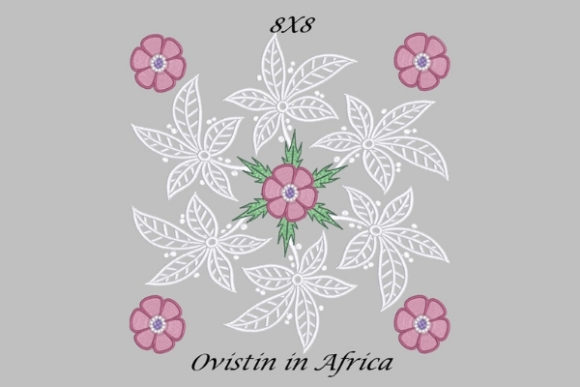
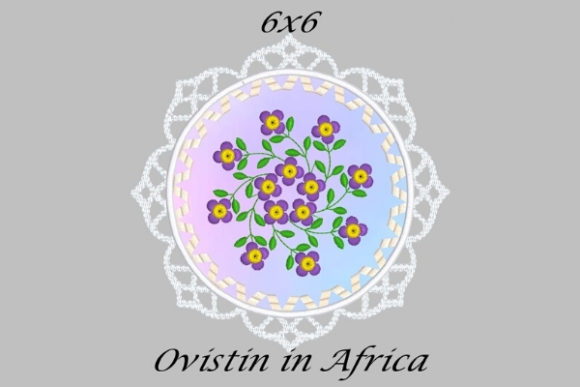
The immediate impression of this Floral FSL Applique Mug Rug is one of delicate, feminine detail with a surprisingly robust structure. The FSL border offers a lace-like, dimensional frame, while the appliqué centre provides a solid, colourful focal point. This creates a design that feels both premium and casually chic. It’s not overly bold or minimalist; it sits in a sweet spot of being clearly decorative without being overwhelming. For apparel decorators, this means it can add a touch of elevated craftsmanship to a simple garment, aligning well with trends for feminine, rustic, or classic aesthetics in boutique brands.
Translating the Design for Sweatshirts and Hoodies
The specified 6×6 hoop size makes this a manageable design for typical chest placement on adult sweatshirts and hoodies. Imagine this floral motif centered on a neutral cream sweatshirt or a soft pastel hoodie. The contrast between the textured FSL edge and the appliqué would create a beautiful focal point. For a darker garment, like a charcoal grey or black hoodie, the design would pop dramatically, especially if you choose thread colours with good contrast. The structure of the design, with its batting inlay and satin lining as noted in the description, suggests a finished piece with good body—this inherent stability is a bonus when applied to stretchy fleece or ribbed fabrics, as it can help resist distortion.
Beyond the Chest: Sleeves, Backs, and Accessories
Thinking outside the standard chest placement opens many possibilities. This Floral FSL Applique Mug Rug could be scaled down in the software (always test first!) for a charming sleeve accent on a t-shirt or the corner of a denim jacket. Its circular format also makes it a perfect candidate for the back of a lightweight hoodie or the centre of a tote bag, transforming a simple bag into a boutique-ready product. For oversized garments, placing a single, well-proportioned design can create a balanced, intentional look that feels more curated than a random graphic.
Practical Value for Handmade Businesses and Etsy Sellers
For small clothing brands and Etsy sellers, using a design like this affects several key areas. Firstly, it enhances perceived apparel value. A customer recognizes the complexity of combined FSL and appliqué techniques, which feels more special than a standard fill stitch. This builds buyer trust in your craftsmanship. Secondly, it can strengthen brand identity. If this floral, textured style aligns with your shop’s visual mood, using it across a small collection—say, on sweatshirts, totes, and perhaps even tea towels—creates visual consistency. This makes for stronger lifestyle product photos, printable mockups for your Etsy listings, and social media graphics that tell a cohesive story about your brand’s quality.
Where to Exercise Care in Apparel Application
While the design is promising, an embroidery designer’s job is to anticipate challenges. The stitch density in the FSL border and the appliqué area needs consideration. On very stretchy fabrics or curved surfaces like the shoulder seam area, dense stitching can cause puckering or stiffness. It’s crucial to test on scrap fabric first, using the same garment material you plan to use. A sturdy cutaway stabilizer is likely necessary, especially for sweatshirt fleece. The description mentions using the ITH method, so ensure your machine and hooping technique are set up correctly for in-the-hoop work, even if you're adapting it for on-fabric embroidery. Always review the thread colour contrast on your actual garment fabric before committing; a design this detailed needs clarity.
Also, consider placement carefully. A 6×6 hoop size design is substantial for a small chest placement on some women’s styles; you might want to adjust the size digitally for a more petite fit. Avoid areas that will undergo a lot of stretching or wrinkling, like directly across high-mobility seams.
Essential Designer Notes Before Production
Before adding this to your commercial embroidery product line, run through this checklist:
- Test on a similar garment fabric scrap to check for stability, puckering, and overall look.
- Confirm your stabilizer choice with the fabric weight and stretch; don’t underestimate the need for support.
- Inspect the stitch density in your embroidery software to understand where the heaviest areas are and plan your hooping accordingly.
- Compare placement options on the actual garment using a printed template or mockup.
- Check the Creative Fabrica product details and licensing thoroughly before selling finished apparel. Ensure the embroidery file formats are compatible with your machine and that the commercial license terms suit your small shop product volume.
Final Thoughts on Creative Fabrica Embroidery for Apparel
The Floral FSL Applique Mug Rug is a fascinating example of how a machine embroidery design intended for one purpose can be creatively repurposed for another. Its built-in features—the heat-resistant batting, the professional satin lining—speak to a quality construction that, when applied thoughtfully to custom apparel, can result in a finished product that feels intentionally designed and well-made. For creative entrepreneurs looking to differentiate their sweatshirt embroidery or hoodie designs, this kind of textural, layered detail offers a path to a more professional presentation and greater customer engagement. It reminds us that the best digital embroidery files are often those that provide not just a graphic, but a structural personality we can adapt to tell our brand’s story.