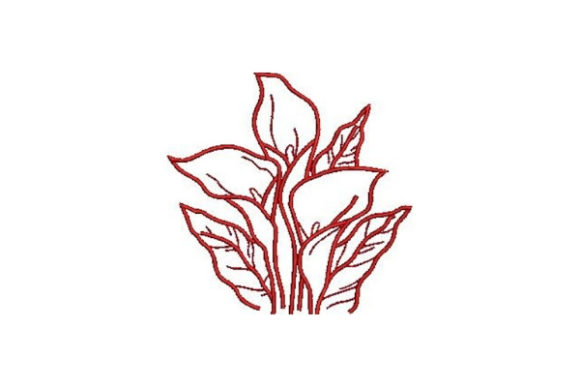
A Designer's Review of Redwork Flowers Lilies
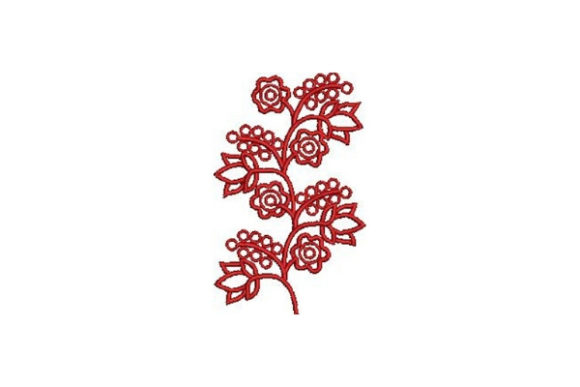
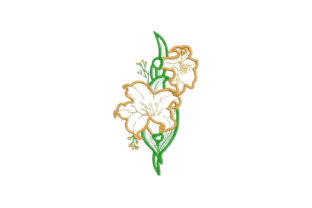
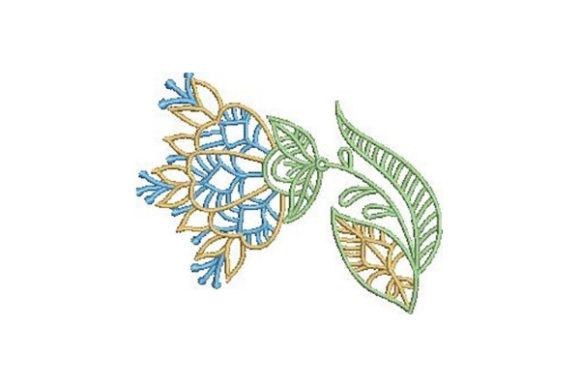
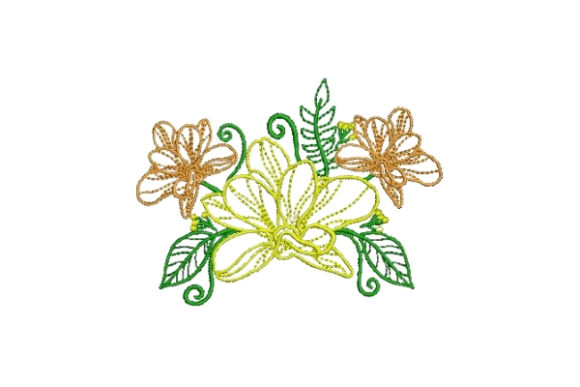
As an embroidery designer preparing for a craft fair, my first task is to evaluate new designs with a critical, practical eye. I look at everything from its immediate visual impression to its potential on real products that will sit on my booth table. Today, I'm reviewing Redwork Flowers Lilies, a machine embroidery design described as a beautifully stitched floral with cute and detailed elements that will stitch well on any fabric.
First Impressions: Where This Design Fits in Your Booth
At a glance, Redwork Flowers Lilies leans strongly into a cute and decorative aesthetic with a touch of classic elegance. The title suggests it's an outline flowers design, which means it likely relies on clean lines rather than dense fills. This gives it a soft, premium feel that can straddle both modern and rustic styles. For a crowded craft fair, such a piece needs to stand out without shouting. I imagine this design would appeal to customers looking for a handmade gift that feels intentional and artful, not mass-produced.
The Product Potential: From Tote Bags to Pillow Covers
Let's walk through my typical product lineup. I need to know where Redwork Flowers Lilies will shine and where it might struggle.
- Tote Bags & Market Bags: This is a prime candidate. A floral outline on a tote bag reads as stylish and functional. The design should be placed centrally or on a pocket for maximum impact.
- Aprons & Kitchen Towels: Absolutely. For a farmhouse or cottage-core aesthetic, this design on a tea towel or apron corner would sell quickly. The 'cute and detailed' description suggests it wouldn't overpower the utilitarian item.
- Pillow Covers: A larger application here could become a beautiful focal point. As an outline, it would maintain a light, airy feel on home décor.
- Caps: This requires caution. Curved surfaces and often smaller embroidery areas mean tiny details in the lily design could lose clarity. A test on scrap fabric is essential.
- Embroidered Patches & Pouches: For patches and small fabric pouches, this design's success hinges on its minimum effective size. If the details are too fine, it may become a blur at smaller scales.
For Etsy listings and printable mockups, this floral design should photograph beautifully. Its line-based nature will create clear contrast, making online listings pop. For small shop products, it offers a cohesive look that can build brand consistency across multiple items.
Practical Selling & Production Considerations
Turning a digital embroidery file into a profitable craft fair product involves more than just aesthetics.
Design Readability & Batch Production
The description says "detailed," which is a note to heed. In person, customers appreciate clarity. If the lilies have intricate, tightly-packed elements, stitch density could be high on certain fabrics like textured towels. This affects production speed and thread usage. For batch production, I need to know if the design is repeatable—can I efficiently stitch it ten times on ten tea towels without constant re-threading or stabilizer changes? An outline design often is, but I must test.
The Critical Checklist Before Hooping Anything
Before I commit to using Redwork Flowers Lilies on my handmade products, here is my real-world checklist:
- Test on Scrap Fabric: First and foremost. Use the same fabric as your final product (linen for towels, cotton for bags).
- Check Thread Contrast: Especially on dark fabric. Redwork traditionally implies red thread, but contrast is key for visibility.
- Review Hoop Size & Design Placement: The description doesn't specify a hoop size, so I must confirm this in the actual embroidery file to match my product dimensions.
- Inspect for Tiny Details: Look for any minuscule elements or small lettering that might not translate well on textured or curved surfaces like caps.
- Use the Right Stabilizer: This ensures the design stitches well on "any piece of fabric," as promised, but different fabrics demand different stabilizers.
- Create One Real Mockup: Make at least one finished product, like a tote bag or pillow cover, to judge its true visual appeal and handmade quality.
- Confirm Commercial Licensing: Before selling any finished products, verify the license terms of the machine embroidery design. This is a non-negotiable step for any Etsy seller or creative entrepreneur.
How Redwork Flowers Lilies Drives Customer Engagement
At the fair, my booth display is a story. Redwork Flowers Lilies contributes a chapter of delicate, floral charm. When displayed on a variety of items—a sample apron hung up, a tote bag on the table, a patch pinned to a display—it creates a theme. Customers notice repetition and quality. This design, if executed well, enhances product value by showing careful craftsmanship. It engages buyers who are looking for something specific and beautiful, not just generic. It can become a signature piece for your boutique makers brand, especially if paired with complementary color stories across your product line.
Final Designer Notes for Your Weekend Fair
Redwork Flowers Lilies holds strong potential for the craft fair and handmade market arena. Its outline flowers nature makes it versatile, but its "detailed" aspect demands a practical preview. My strongest recommendation is to use it on flat, light-colored items where its elegance can be fully appreciated—think tea towels, pillow covers, and tote bags. These items are staple sellers and allow the design to be both an accent and a focal point. Always pair your booth samples with clear signage mentioning it's a machine embroidery design—this highlights the skill involved. With proper testing and licensing confirmation, this design can be a beautiful and profitable addition to your embroidery design collection for your next market day.